· 6 min read · Deb Ku
When reading isn't clicking: what dyslexia actually looks like at home
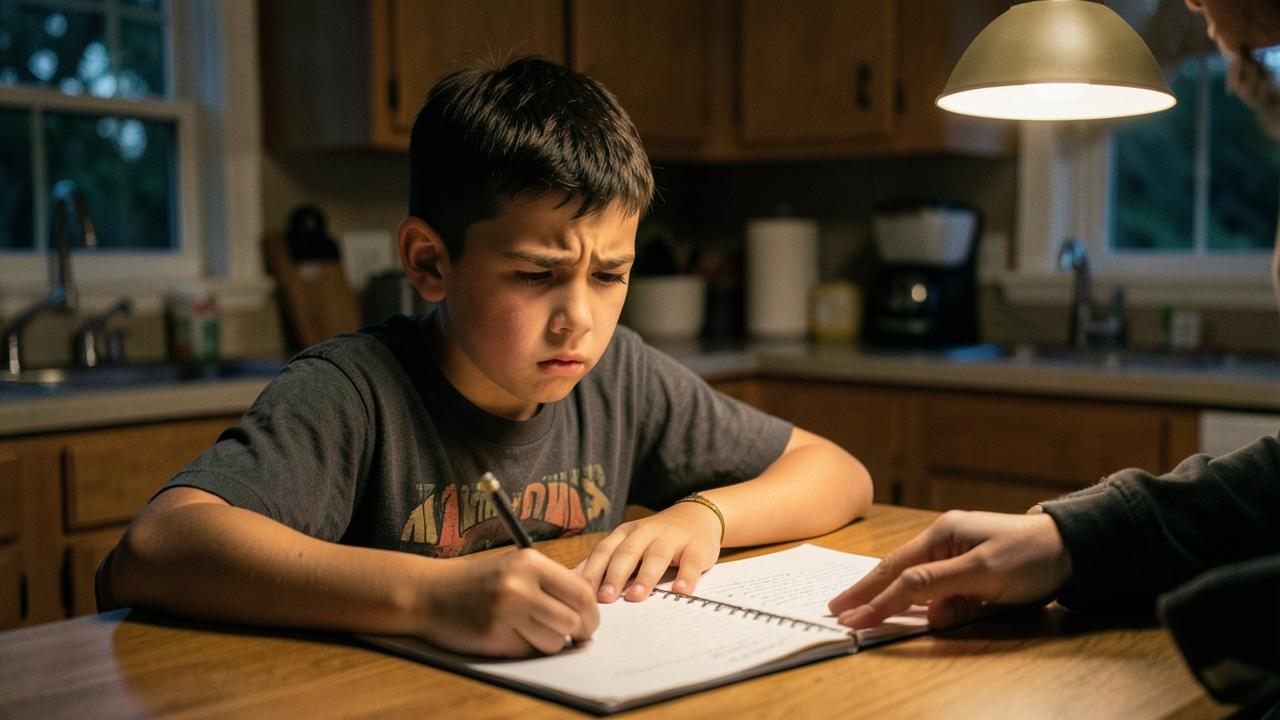
Nobody calls me and says "I think my daughter is dyslexic." What they say is that bedtime reading takes forty minutes and ends in tears, or that a fourth grader still sounds out words she read correctly last week. Then someone at school says the word out loud and the whole family goes quiet for a bit.
I've been matching families in Rancho Santa Margarita, Mission Viejo, Ladera Ranch, Coto de Caza, Lake Forest and Trabuco Canyon with reading tutors since 2009, and the pattern is consistent enough that I'll write it down.
What parents notice before anyone says the word
- Reading is slow and effortful, but comprehension is fine. Read the same page aloud to them and they can discuss it beautifully. That gap is the single most telling sign.
- Words are re-decoded every time. A word mastered on Monday is brand new on Thursday. Sight-word memorization isn't sticking because the underlying sound mapping hasn't been built.
- Spelling is worse than reading. Phonetic, inventive, inconsistent — the same word spelled three ways in one paragraph.
- They avoid reading out loud at all costs. Bathroom trips during round-robin reading, "I forgot my book," suddenly hating a subject they liked.
- There's a family history. Very often a parent says, halfway through the call, "honestly, school was like that for me too."
None of that is a diagnosis. Only a psychologist or a school assessment team can give you that, and if you want one, ask the school in writing for an evaluation — the request has to be in writing to start the clock.
Tutoring doesn't wait for the paperwork
Evaluations in this county routinely take a few months. The instruction that helps a dyslexic reader is the same instruction that helps any struggling reader, so there's no reason to sit on your hands until a report lands. Structured, explicit phonics taught in order, with lots of repetition, is not a risky bet for a child who is already behind.
What Orton-Gillingham sessions actually look like
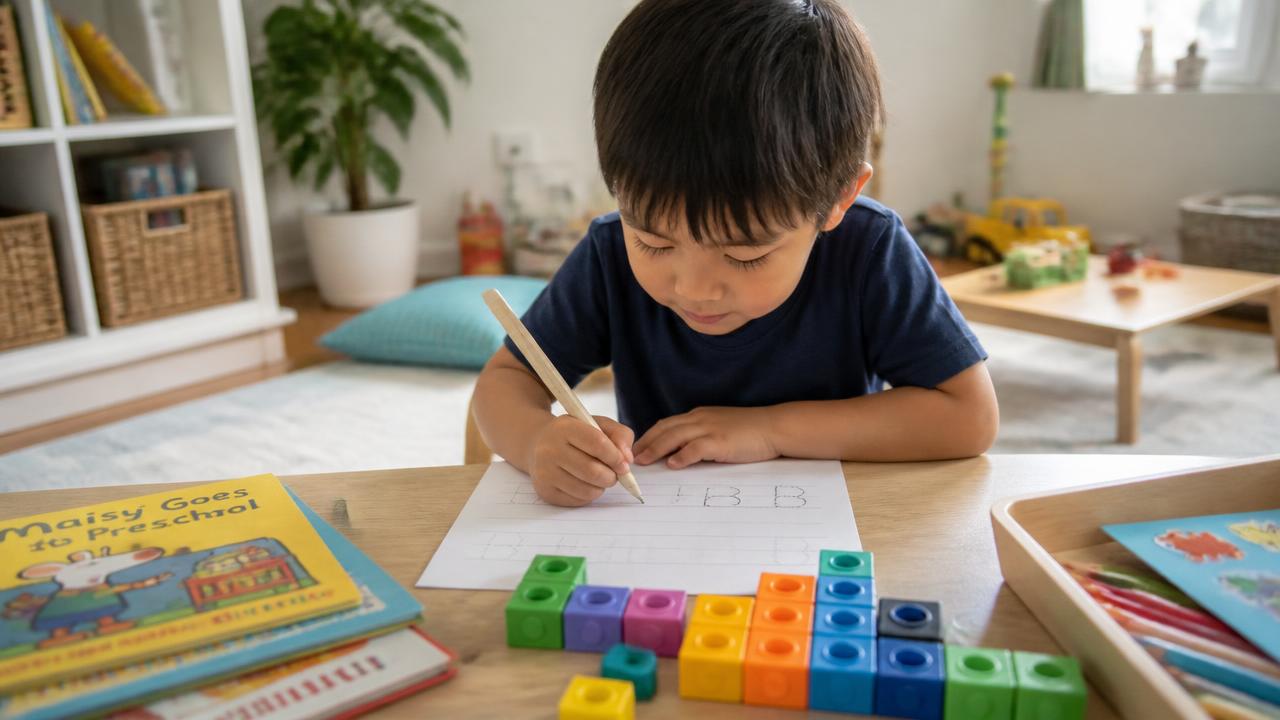
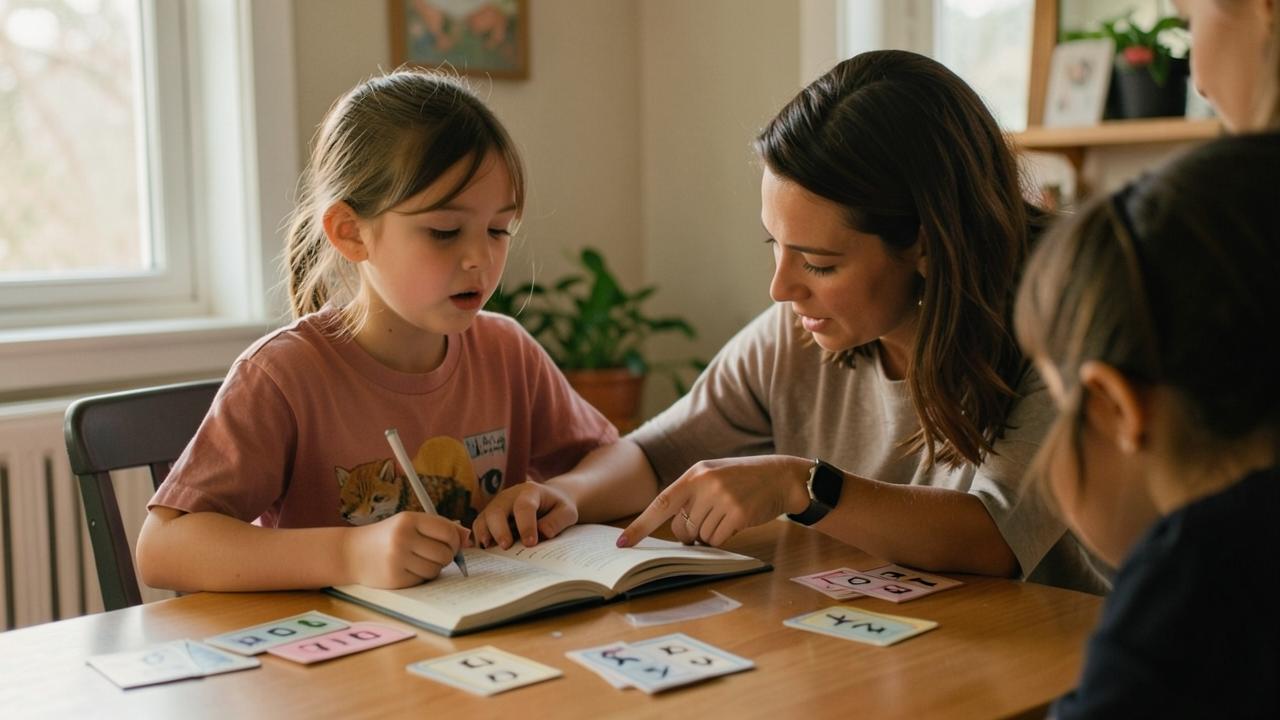
Our reading tutors work from an Orton-Gillingham approach: one sound-spelling pattern at a time, taught directly, practiced by seeing it, saying it, writing it and reading it in real text before anything new gets added. Sessions run 45 minutes, two or three times a week — frequency matters far more than length here. One ninety-minute session a week does noticeably less than three thirty-minute ones.
It works online better than most parents expect. A shared screen means the letter tiles are always legible, nothing gets lost on the drive, and the tutor can record a two-minute review clip you play back on Saturday. For families off Antonio Parkway at 5 p.m., skipping the drive is often what makes three sessions a week possible at all.
How long it takes
Honest answer: months, not weeks. I usually tell families to judge progress at the eight-week mark, and to watch fluency and willingness rather than grades. The first thing that changes is almost never a report card — it's a kid picking up a book without being asked.
If any of this sounds like your evenings, read about our reading and dyslexia tutoring, or the broader signs a child needs a tutor. You can also send me a note and I'll tell you honestly whether this is our lane.
Want to talk it through?
I answer every inquiry personally. Call (949) 388-3222 or book a free consultation — no contract, no enrollment fee.
Request Free Consultation