· 5 min read · Deb Ku
Phonics tutoring near me: what it looks like and when to start

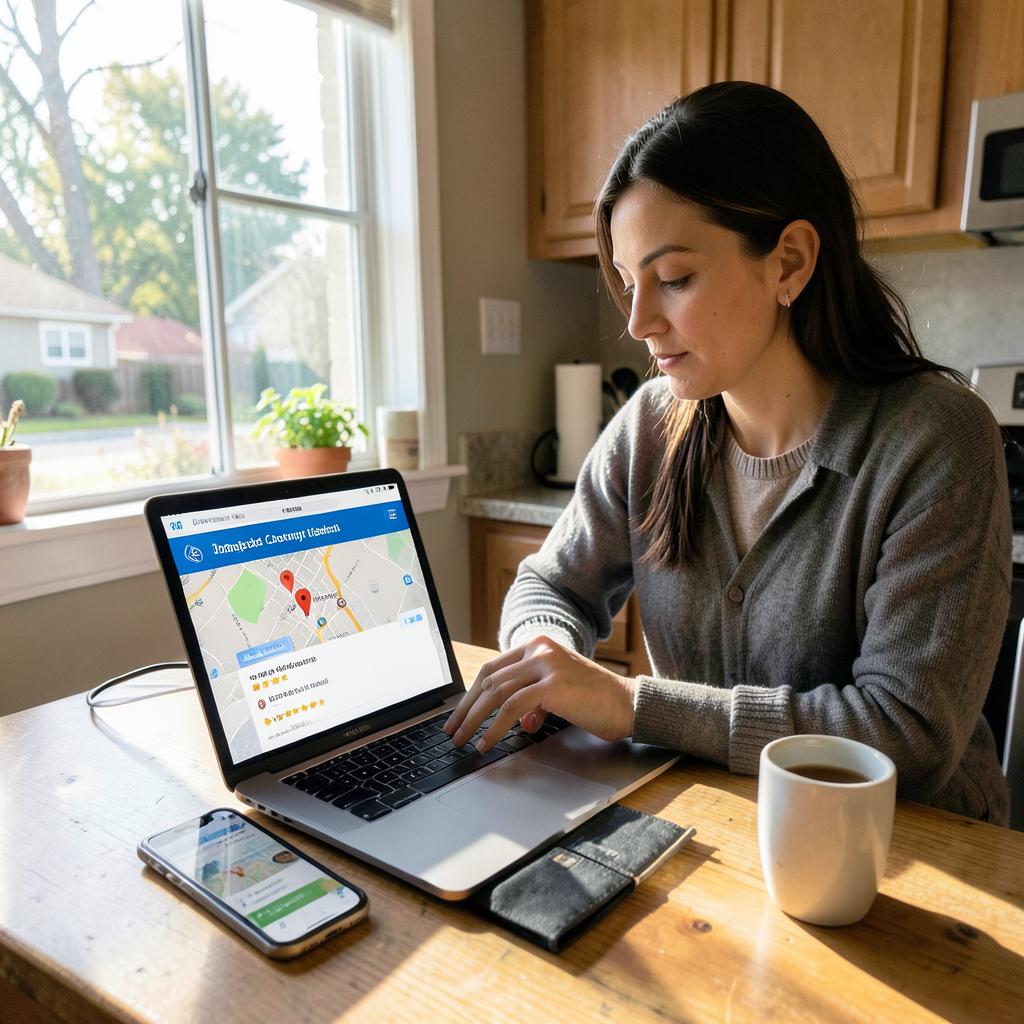
When parents search for phonics tutoring near me, they are usually looking for a teacher who can sit with their child and figure out why letters aren't turning into words. Phonics tutoring breaks down reading into sounds, blends, and rules, working through them one by one until reading clicks. We do this mostly online, with some in-home visits around South Orange County, to get kindergarteners and early elementary students caught up.
The first grade reading panic
In kindergarten, teachers focus on alphabet recognition and a handful of high-frequency sight words. Kids memorize the shape of the word 'the' or 'and'. Parents assume things are progressing nicely. Then first grade hits. The books get harder. Suddenly the teacher expects your child to decode and sound out words they have never seen before. Memory is no longer enough to get them through a page.
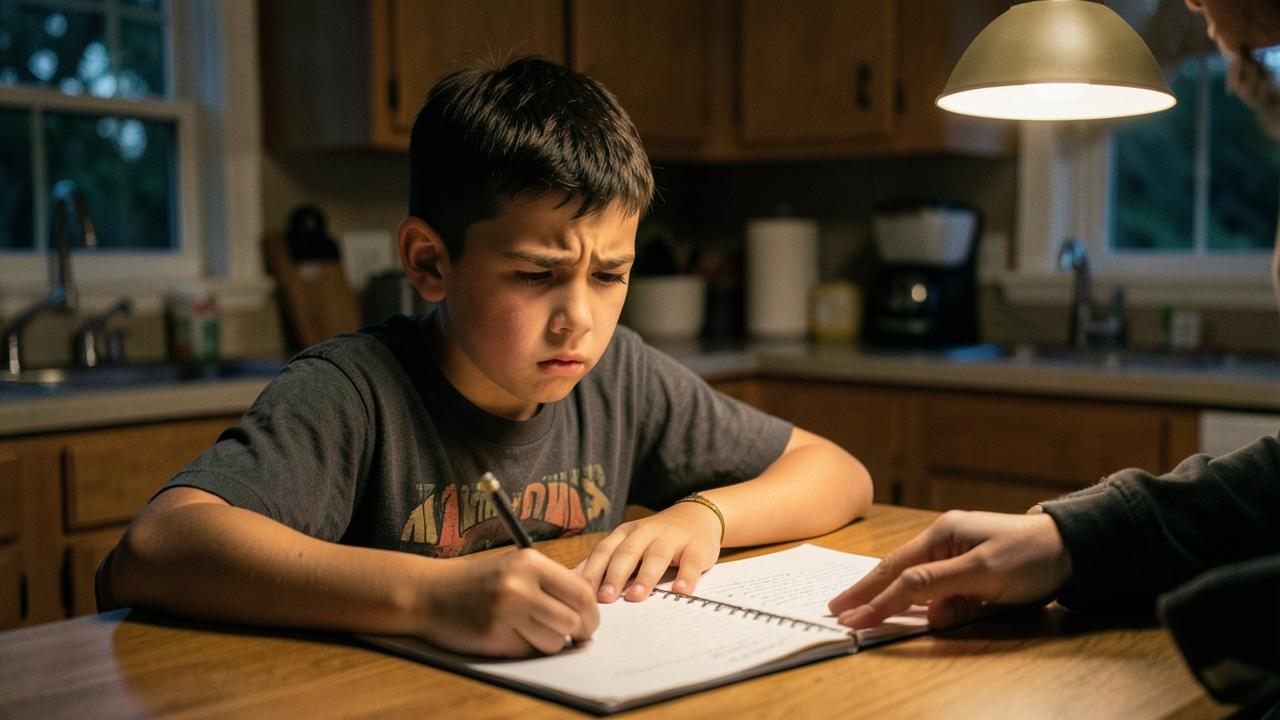
This is the point where the nightly reading log becomes a standoff. Your six-year-old stares at the word 'boat' and guesses 'bat' or 'boot' based purely on the first letter. You say to sound it out for the tenth time. Tears happen. This is usually when my phone rings.
A mom in Ladera Ranch called me last month because her first grader was starting to say he hated school. He didn't actually hate school. He just hated that everyone else at his reading table could get through the worksheet and he could not. Little kids are very aware of where they stand compared to their peers. Getting them help early is mostly about protecting their confidence.
What a phonics session actually looks like
A lot of parents think reading tutoring just means we sit and read books together. If your child is struggling with phonics, reading a book together is just going to frustrate them more.
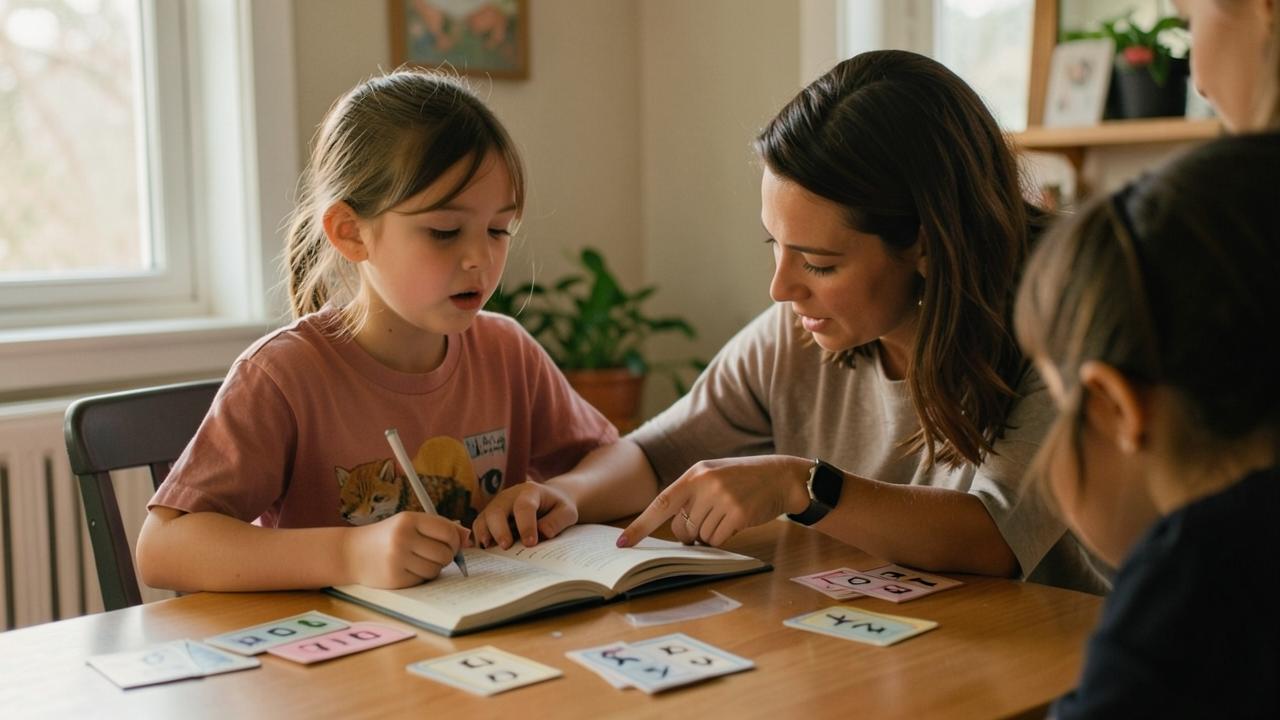
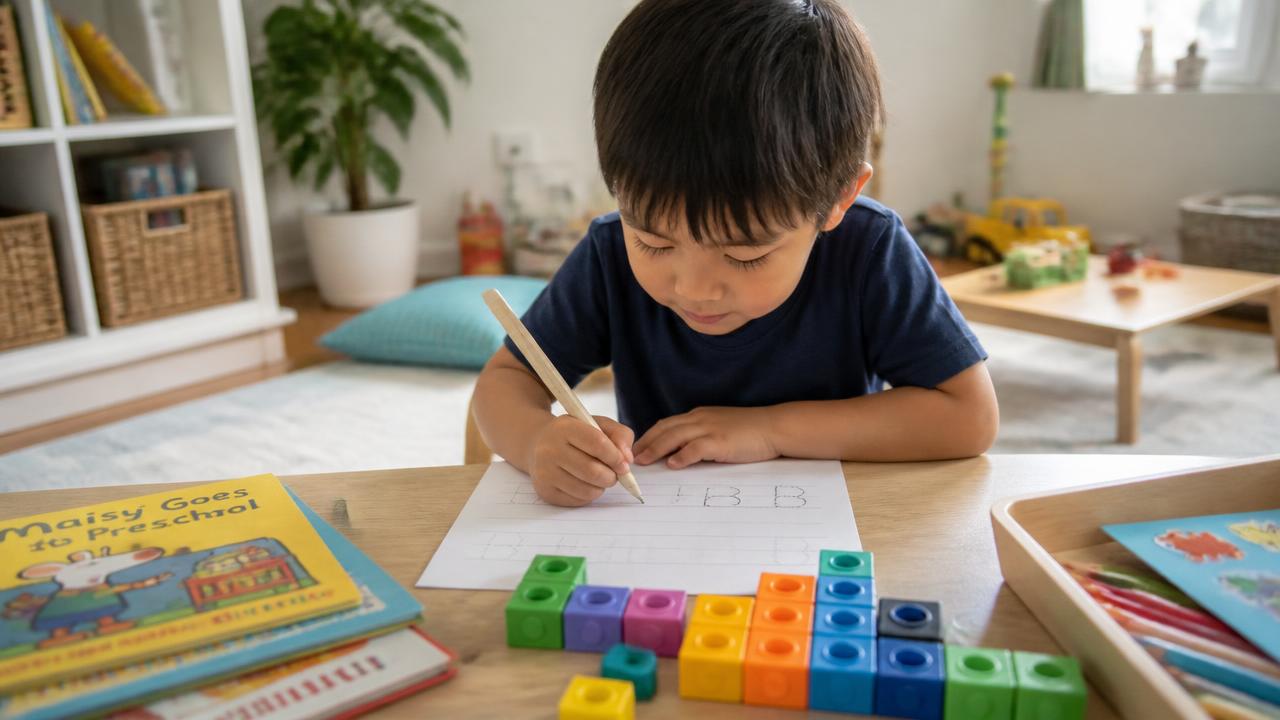
A real phonics session is much more targeted. We go back to the building blocks. The tutor might spend half an hour just working on short vowel sounds, because an 'e' and an 'i' sound exactly the same to a lot of five-year-olds. They practice consonant-vowel-consonant words like cat, pig, and mud.
Once that is solid, they move on to consonant blends like 'st' or 'bl'. Then they get into the tricky stuff. They cover the 'magic E' that makes the vowel say its name. They practice digraphs like 'sh' and 'ch' where two letters make one brand new sound. If a child misses the week they taught digraphs in school because they had a cold, they might be confused for the rest of the year.
We use a lot of whiteboards for this. Whether the tutor is working with your child online or sitting at your kitchen table in Mission Viejo, the process is very visual. The tutor writes a word, they break it apart, they change one letter, and they read it again.
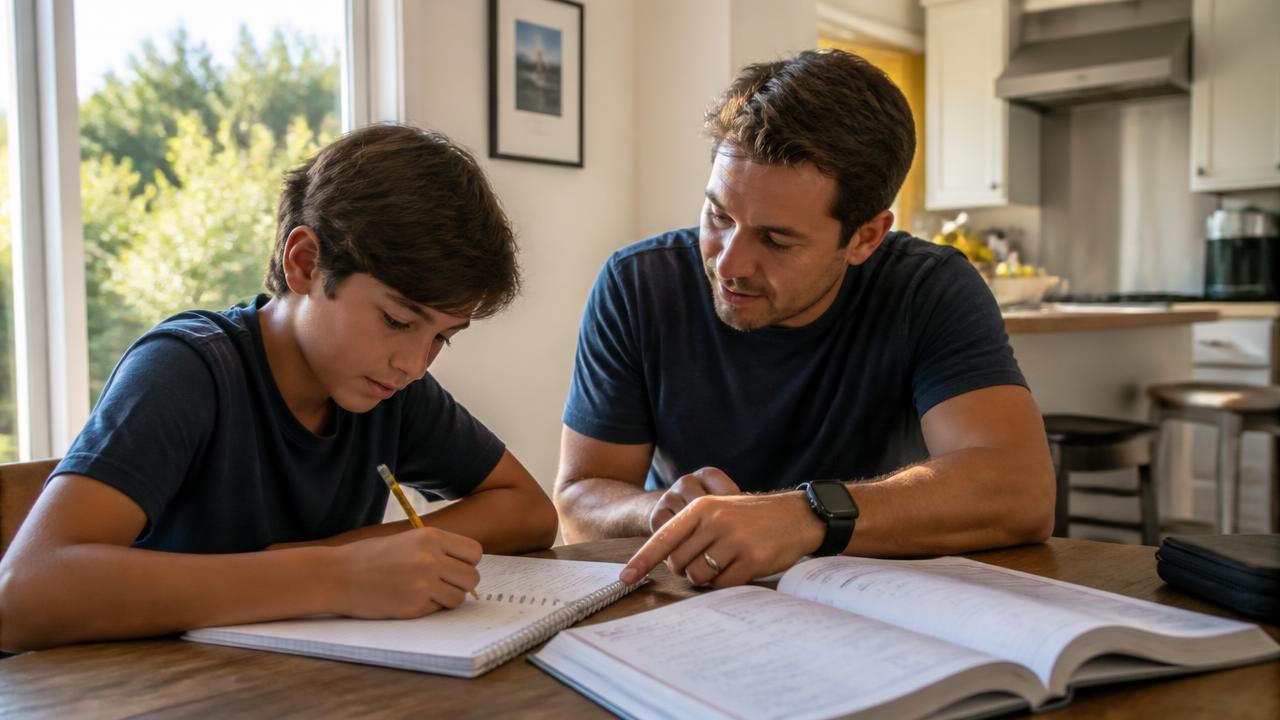
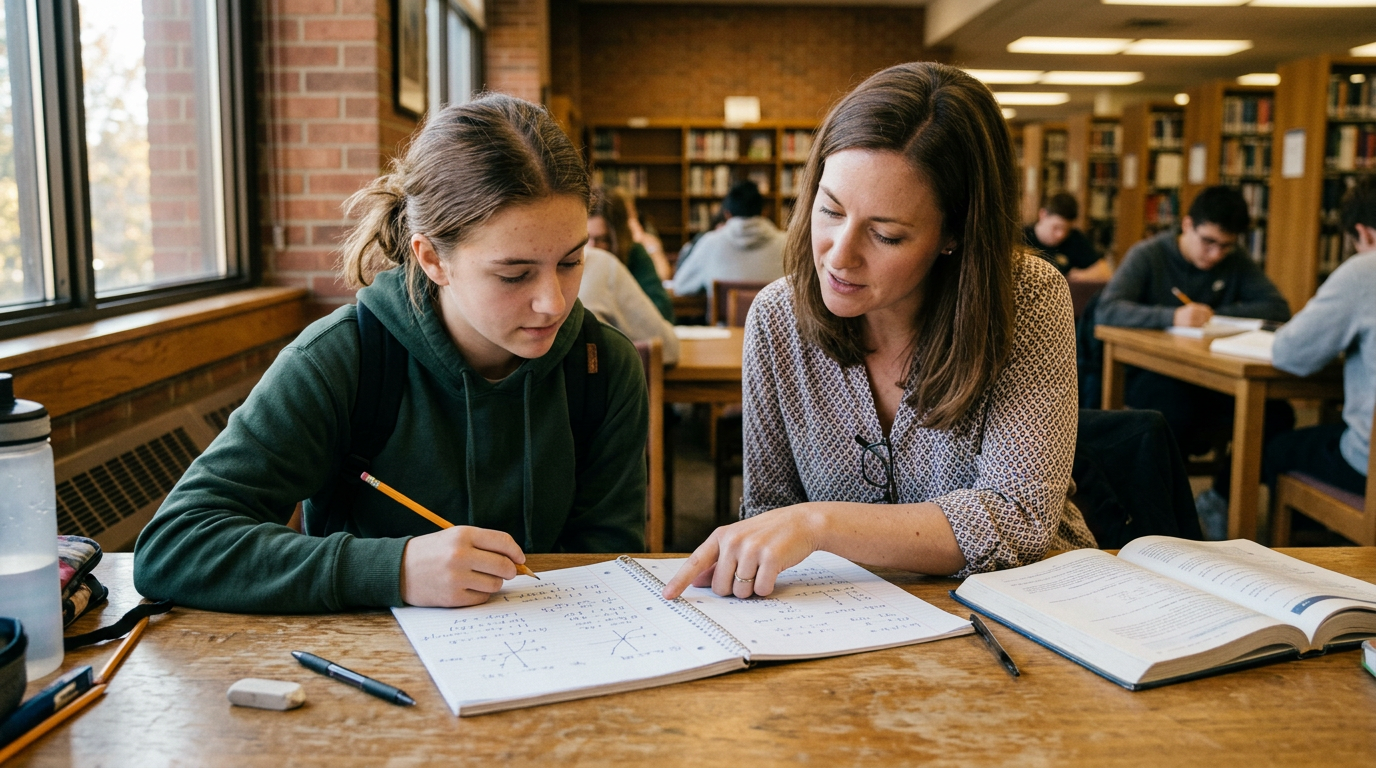
It takes patience. Most parents do not have this specific type of patience after a long workday. That is perfectly normal. You are trying to make dinner, check emails, and walk the dog. Sitting down to calmly explain that 'ea' makes a long 'e' sound in 'read' but a short 'e' sound in 'bread' is just a recipe for an argument. A tutor brings a fresh, neutral energy to the table. They are not mom or dad, so the dynamic instantly shifts.
How long it takes to catch up
Parents always ask me how many sessions they need to buy. I tell them we charge a flat hourly rate with no contract, so you never buy a massive package of sessions upfront. You just call for a quote and pay for what you use.
As for the timeline, phonics is not an overnight fix. It usually takes about three to four months of consistent work to see a real shift in reading level. We typically recommend two sessions a week for early readers. Thirty minutes to an hour is usually the maximum attention span for a six or seven-year-old.
If you do two short sessions a week, you start to see the changes in about a month. The guessing stops. When they see a new word, they actually look at the middle and end of the word instead of just the first letter.
By month three, the reading logs are not ending in tears. They might not be reading chapter books yet, but the foundation is solid. The teacher starts to notice at school, too. A dad in Aliso Viejo recently told me his daughter finally raised her hand to read out loud in class. She would never have done that a few months ago.
When phonics tutoring is the wrong move
I always try to be honest about what tutoring can and cannot fix. Sometimes a standard phonics tutor is not the answer.
If your child is still in preschool, do not hire a tutor. Let them play. There is no prize for reading at age four. If you are worried about whether they are prepared for school, you can look at our kindergarten readiness checklist instead.
Another time to pause is if you suspect a deeper learning difference. If your second grader has been getting targeted phonics help at school for a year and is making absolutely zero progress, you might be looking at dyslexia. A standard tutor can help, but sometimes you need a formal evaluation and a specialist trained in a specific method like Orton-Gillingham. We can help you figure out if that is the case during our first phone call.
Also, if your child is completely exhausted, wait. If they are in school all day, then after-school care, then soccer practice, and you want a tutor to log on at 7:00 PM, we are not going to get good results. Little kids need sleep more than they need flashcards.
Choosing between online and in-home help
Since 2009, I have matched hundreds of families in Lake Forest, RSM, and San Juan Capistrano with tutors. We used to do everything in the home. Now, we are online first.
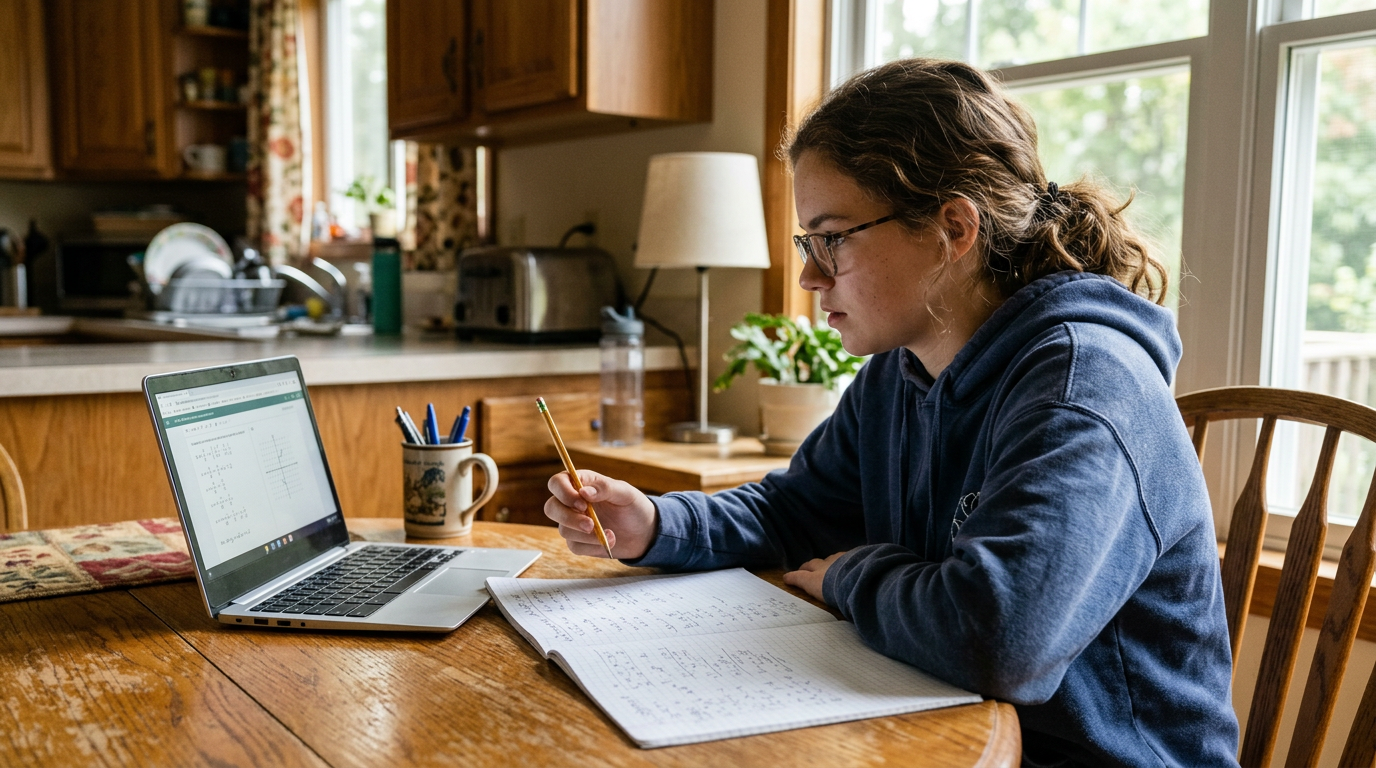
Online tutoring for phonics actually works incredibly well, which surprised me at first. The interactive whiteboards keep kids engaged. The tutor can share their screen, drag letters around, and play sorting games. A student can use their mouse or iPad to circle the vowels or draw lines between syllables. It feels like a puzzle to them.
It is also much easier to schedule a quick 30-minute session online than it is to have someone drive to your house in Coto de Caza for half an hour. The commute alone makes short in-home sessions tough for a tutor.
We do still offer in-home tutoring as a local secondary option. If you have a child who absolutely cannot look at a screen, or you just strongly prefer someone sitting next to them in your dining room, we have local tutors who can do that.
The goal is just to make it consistent. Whatever format allows your child to meet with their tutor every week without stressing out your family schedule is the right choice.
Taking the first steps
If you are watching your child guess at words and get frustrated, you do not have to just wait and hope it clicks next year.
Here is what I usually suggest parents look for in a reading tutor:
- Experience teaching early elementary phonics rules
- A patient personality that works well with tired six-year-olds
- Familiarity with the curriculum used in local Capistrano or Saddleback Valley schools
- Availability during your child's actual peak learning hours
Phonics is the foundation for everything else they will do in school. If they can read the math word problem, they can do the math. If they can read the science instructions, they can do the experiment.
Getting help early prevents a lot of self-esteem issues later on. If you want to talk about where your child is stuck and see if we have a good fit, you can contact us to get a quote. I answer the phone myself. We can talk about what is happening with the reading logs and figure out a plan that actually makes sense.
Want to talk it through?
I answer every inquiry personally. Call (949) 388-3222 or book a free consultation — no contract, no enrollment fee.
Request Free Consultation