· 5 min read · Deb Ku
Finding a Spanish tutor in Orange County: why Spanish 2 causes panic
If you are looking for a spanish tutor orange county, we can help. We match middle and high school students with bilingual tutors who explain the grammar and practice conversation. Sessions happen mostly online, with some local in-home options for families in South County.
I have run Club Z in this area since 2009. Every fall, I can set my watch by the phone calls I get about Spanish classes. It usually starts right around the second week of October. The first progress reports come out. Parents check the portal. They see a D in Spanish 2.
Usually, the parent is confused. The student got an A in Spanish 1 last year. They made a nice poster about their family tree. They learned the colors. Now, they are suddenly failing and claiming the teacher speaks too fast.
This is a very common pattern in our local high schools. I hear it from families in Rancho Santa Margarita, Trabuco Canyon, and San Juan Capistrano. Here is what is actually happening, and how a private tutor steps in to fix it.
The jump from colors to conjugations
Spanish 1 is often a gentle introduction. Students learn vocabulary. They memorize how to say hello, ask to go to the bathroom, and name the days of the week. The grammar is very basic. You can often get an A just by having a good short term memory for Friday quizzes.
Spanish 2 is where the actual language mechanics begin. The teacher stops speaking English in the classroom. The vocabulary list doubles. Most importantly, the grammar gets complicated.
Students suddenly have to learn the past tense. In Spanish, there are two different past tenses. You use one for things that happened once, and another for things that used to happen all the time. Teenagers struggle to grasp this concept. They do not even think about grammar that way in English.
When they fall behind on this, the confusion compounds. Foreign language is entirely cumulative. If you do not understand the lesson in September, you have zero chance of understanding the lesson in November. You cannot just cram the night before the test. The foundation is either there or it is not.
What a weekly session actually looks like
Parents often ask me how tutoring helps if the kid just needs to memorize words. We do much more than that. If you hire a languages tutor, the goal is to get the student actively using the mechanics of the language.
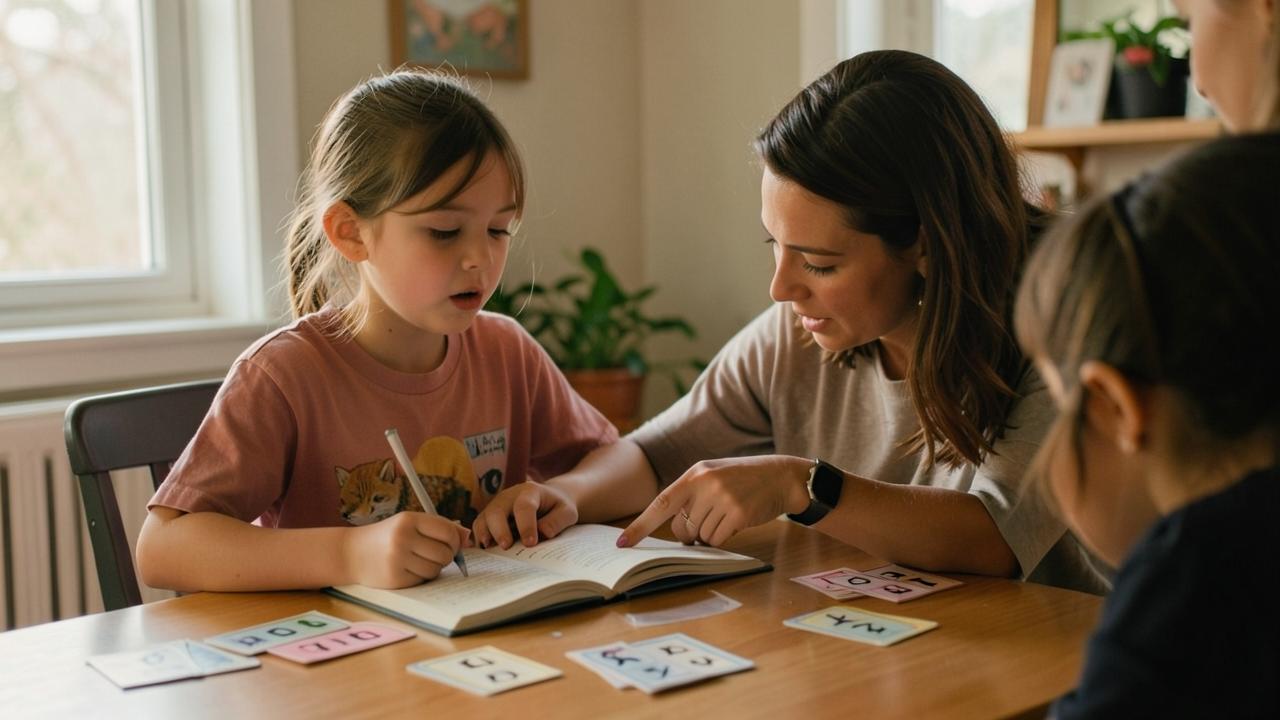
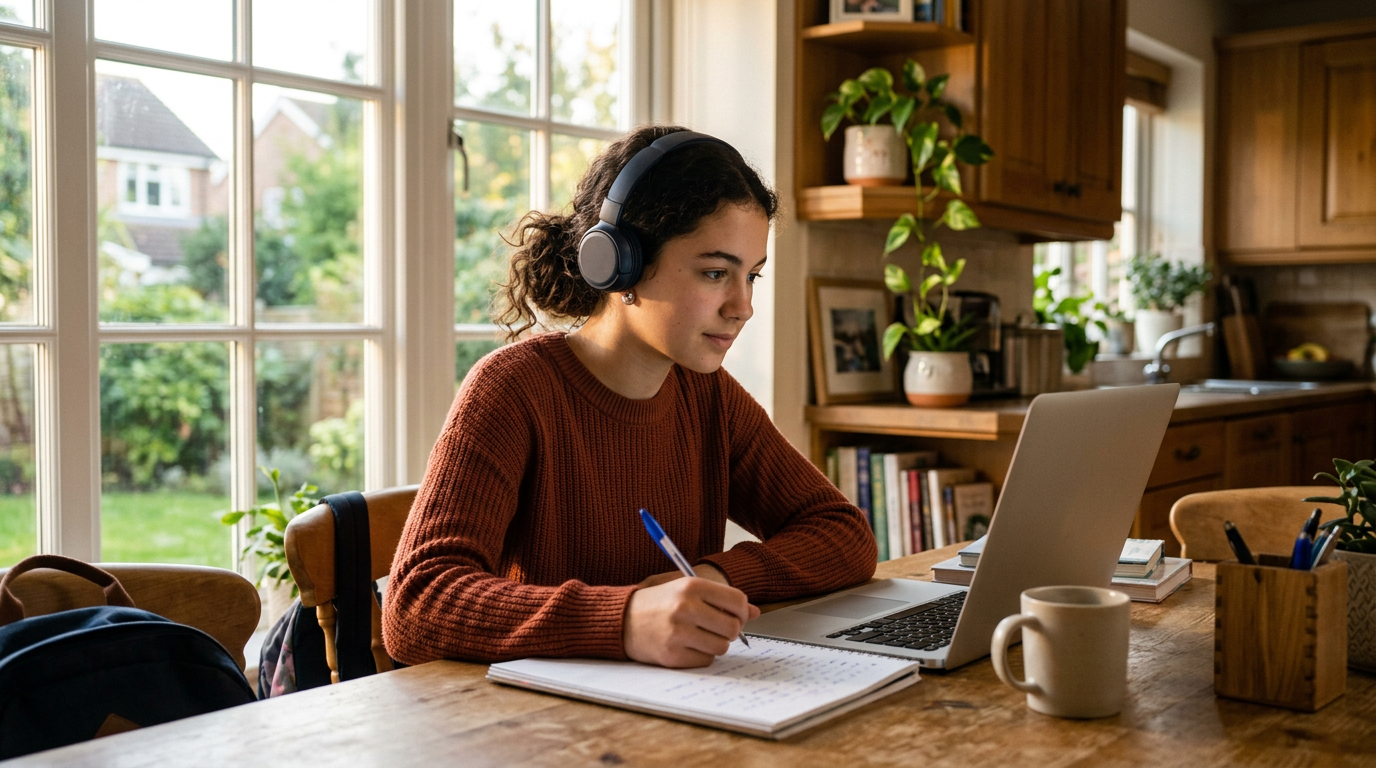
Most of our Spanish tutoring happens online. The student and tutor log in. The tutor will usually start by asking the student a few simple questions in Spanish. How was your day. What did you eat for lunch. This forces the student to switch gears.
Then they look at the current unit. Let us say the student is learning the future tense. The tutor does not just read the textbook to them. They share a screen with a blank document. The tutor types a sentence in English. The student has to translate it out loud.
When the student makes a mistake, the tutor stops them. They explain exactly why the verb ending is wrong. Then they do ten more examples just like it.
This repetitive, targeted practice is what moves the grade. A classroom teacher with thirty five kids cannot sit and listen to every single student pronounce a paragraph. A private tutor does exactly that.
We also do a few basic checks every session to see where the real problem is:
- Are they actually doing the vocabulary memorization during the week?
- Do they understand the grammar rule, or are they just guessing?
- Can they speak a sentence without writing it down on paper first?
The problem with speaking anxiety
A huge part of the high school Spanish grade is oral participation. Teachers grade students on speaking out loud in class. They also do oral exams where the teacher asks a question and the student has to reply on the spot.
Teenagers are already self-conscious. Asking them to make unfamiliar sounds in front of thirty peers is terrifying for a lot of kids. They mumble. They look at the floor. They freeze up entirely. I get calls from parents in Ladera Ranch and Aliso Viejo telling me their kid is having panic attacks over Spanish oral exams.
A tutor removes the audience. It is just one adult and one student. Making a mistake is not a public event. If the student mispronounces a word, the tutor just corrects them and they move on.
Over time, this builds confidence. The student realizes they actually know how to form the sentences. When the classroom oral exam rolls around, they have already practiced having a conversation in Spanish fifty times. The anxiety goes down. The grade goes up.
When tutoring is not the answer
I always try to be honest with parents on the phone. Tutoring is very effective, but it is not magic. There are times when paying for a tutor is a waste of your money.
The most common reason Spanish tutoring fails is a lack of basic effort from the student between sessions. Learning a language requires memorization. There is no way around it. You have to sit down and memorize that the word for library is biblioteca.
A tutor can explain the difference between verbs. A tutor can help with pronunciation. A tutor can guide a student through a difficult reading passage. But a tutor cannot memorize the vocabulary words for your child.
If a student refuses to spend ten minutes a day looking at their flashcards, one hour of tutoring a week will not save their grade. I always tell parents to make sure the kid is willing to do the boring memorization work before they call me.
Online versus in-home language practice
Families often ask if we can send someone to the house. We do have tutors who drive to homes in Mission Viejo, Coto de Caza, or Lake Forest. In-home tutoring is a nice local secondary option if your child simply cannot focus on a screen. But for foreign language, online tutoring is actually our first choice.
There are a few reasons for this. First, we can match you with the absolute best Spanish tutor for your child's specific textbook, rather than whoever happens to live in a ten mile radius.
Second, online sessions are incredibly efficient for languages. Both people are wearing headphones. The audio is crisp. You can hear pronunciation very clearly. The tutor can instantly drop a link to an audio clip or a grammar quiz in the chat.
Teens are also very comfortable interacting through a screen. It feels less intrusive than having a stranger sitting at their kitchen table while they struggle to roll their R sounds.
Fixing the grade takes time
Do not wait until the week before the final exam to look for help. I get these panic calls in December and May. A parent wants a tutor to come over for four hours on a Sunday to fix a semester of failing grades.
It does not work that way. You cannot cram a language. It takes time for the brain to process new vocabulary and grammar rules. If your child is missing the foundation from September, it will take a few weeks of consistent tutoring to rebuild it.
If you see a bad grade on that first progress report, that is the time to act. We can get a tutor working with them right away. They can catch up on the missed grammar before the next unit starts.
If you want to talk about your child's specific class, give me a call. We charge a flat hourly rate with no contract. You only pay for the time you actually use. You can reach out through our contact page to get a quote and tell me what is going on.
Want to talk it through?
I answer every inquiry personally. Call (949) 388-3222 or book a free consultation — no contract, no enrollment fee.
Request Free Consultation