· 5 min read · Deb Ku
What to know before kindergarten: the academics versus reality
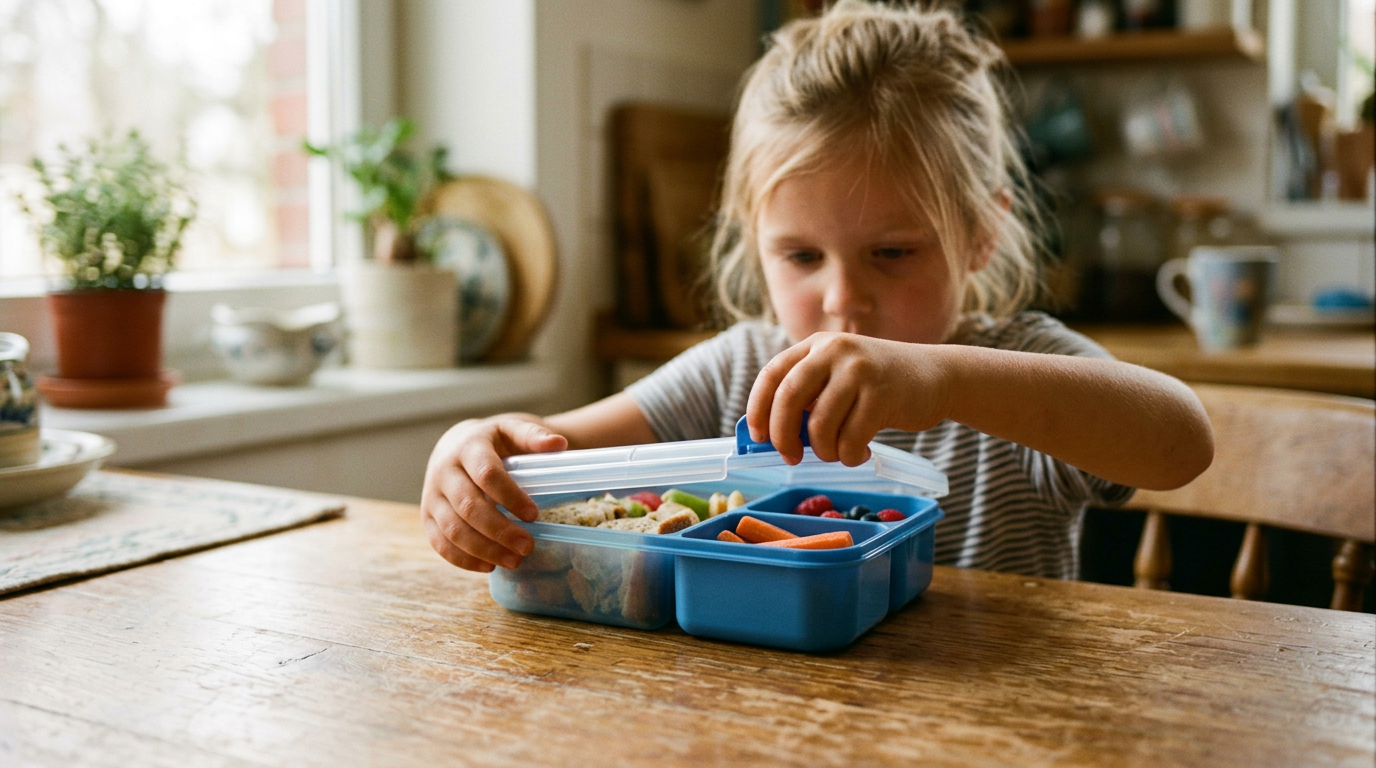
What to know before kindergarten is that the academic expectations are much higher now than when we were kids, but teachers still care more about whether your child can follow two-step directions and open their own snack. They do not need to be reading chapter books on day one. You just want them to have a basic foundation so they do not feel overwhelmed when the structured learning starts.
I talk to a lot of parents in Ladera Ranch and Mission Viejo who are stressed about the first day of school. They hear rumors that kindergarten is the new first grade. That part is mostly true. Kids are expected to learn sight words and write basic sentences by the end of the year. The days of taking naps and just playing with blocks are gone.
But the panic leading up to August is usually misplaced. Parents worry about the wrong things.
The academics versus the actual classroom
Parents call me in May asking for a tutor because their four-year-old cannot sound out words yet. I almost always talk them out of it. If your child is still in preschool, formal tutoring is rarely the answer. They need play. They need to be read to. Pushing them too hard early on usually backfires.
What they actually need to know before walking into a classroom in the Saddleback Valley Unified district is how to be part of a group. The academic stuff will come. The behavioral stuff has to be there first.
Can they sit on a rug for ten minutes without touching their neighbor? Can they listen to a story without shouting out every thought that pops into their head? Can they go to the bathroom entirely by themselves? That last one is a big deal. Teachers do not have time to button pants for twenty-five kids.
If they know their first name, some basic colors, and how to hold a crayon, they are in a good spot. You can check out my previous post with a kindergarten readiness checklist if you want the exact breakdown of milestones.
Where the academic gaps actually show up
Now, sometimes a child starts kindergarten and a real gap becomes obvious around October. The honeymoon phase of the new school year ends. This is when the letters and numbers start flying at them at a steady pace.
They are sitting at tables instead of playing on the floor. There are worksheets. There are sight word lists coming home in their folders.
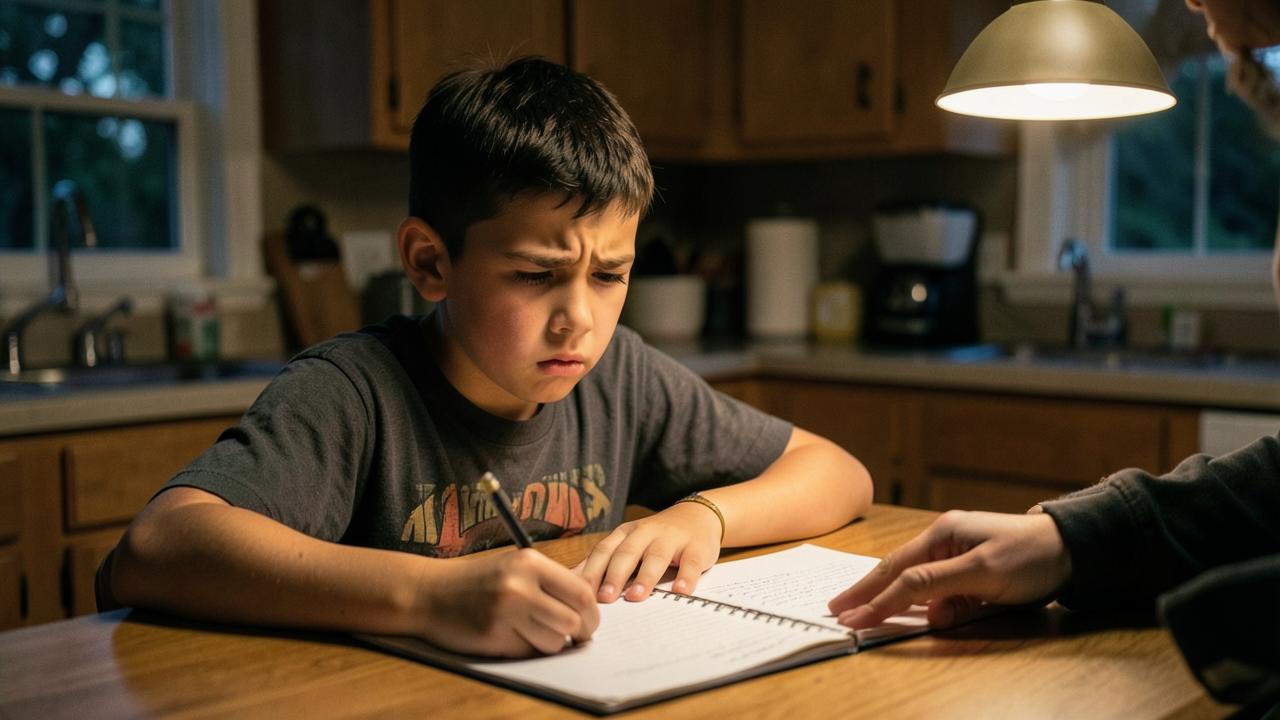
If a child missed the transitional kindergarten window or had a very relaxed, play-only preschool experience, they might freeze up. They look around and realize the other kids know how to write their names and they do not. Kids are very observant. They notice when they are behind. That realization can hurt their confidence. They might start crying at drop-off or saying their stomach hurts.
This is when parents in Rancho Santa Margarita or Coto de Caza call me, and this is when it actually makes sense to step in. A tutor can bridge that gap so the child does not decide they hate school at age five.
What early tutoring looks like if you need it
If we do set up tutoring for a kindergartener, it does not look like high school chemistry. Nobody is doing a grueling two-hour drill session at a dining room table. Five-year-olds do not have the attention span for that.
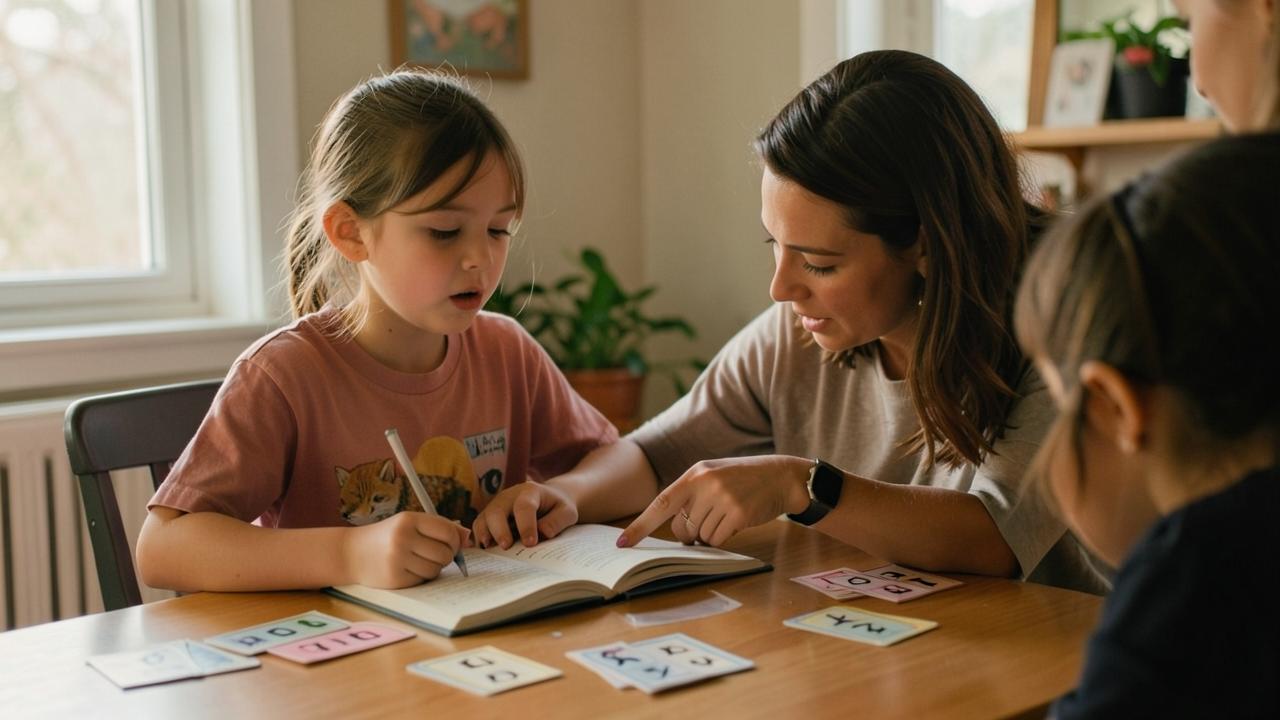
It is usually a short, punchy session focused on the absolute basics. We pair them with a foundations tutor who knows how to keep little kids engaged. Since we do online tutoring first, we keep the screen time very interactive. The tutor is moving quickly from one mini-activity to the next.
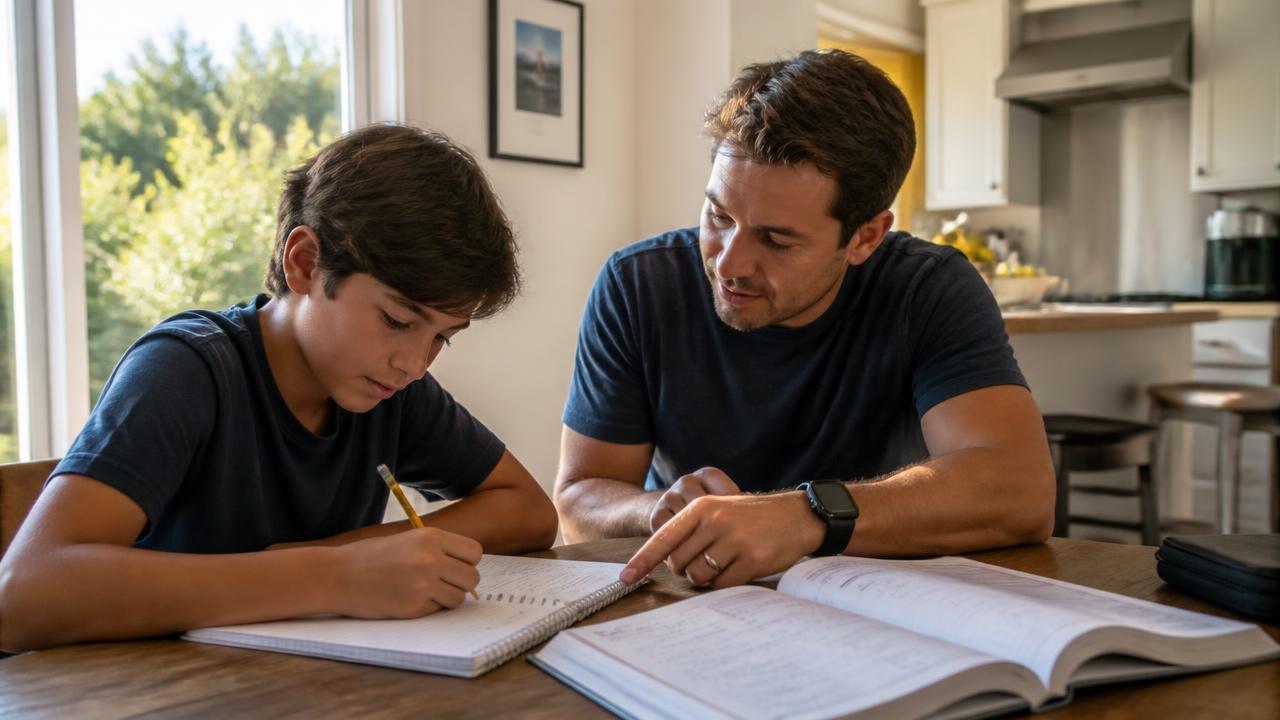
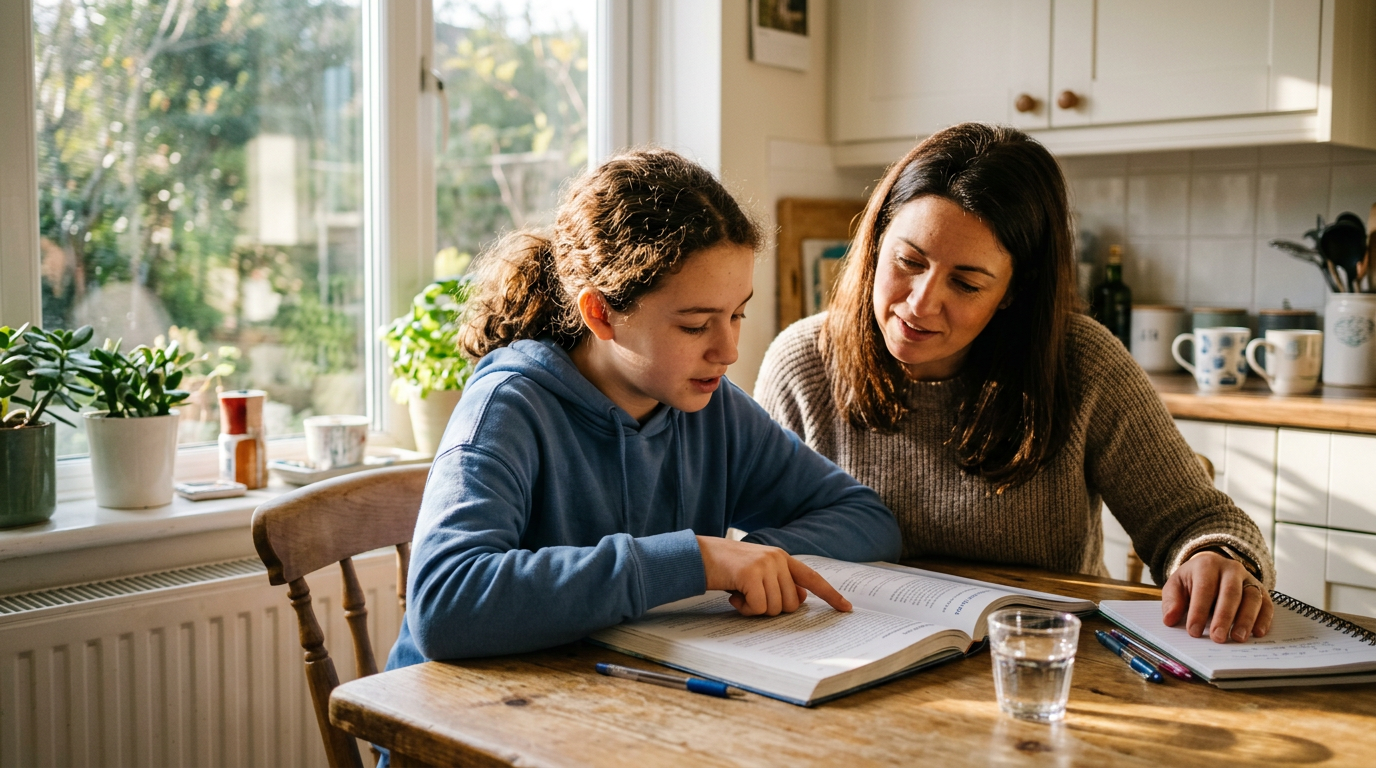
If they need someone sitting right next to them to keep them focused, we do have in-home visits as a local backup option for families in Aliso Viejo, Lake Forest, or San Juan Capistrano.
The tutor works on letter recognition, basic phonics, and number sense. We use games, songs, and drawing. The tutor might have them hunt for items in their house that start with the letter M. The goal is just to build muscle memory and remove the anxiety around learning. We want them to feel proud when they recognize a word.
The signs you are pushing too hard at home
There is a fine line between preparing your child and stressing them out. I see parents buying stacks of workbooks for their five-year-old in the summer. The kid cries every time the books come out. That is a massive red flag. You do not want to kill their curiosity before they even get on the yellow bus.
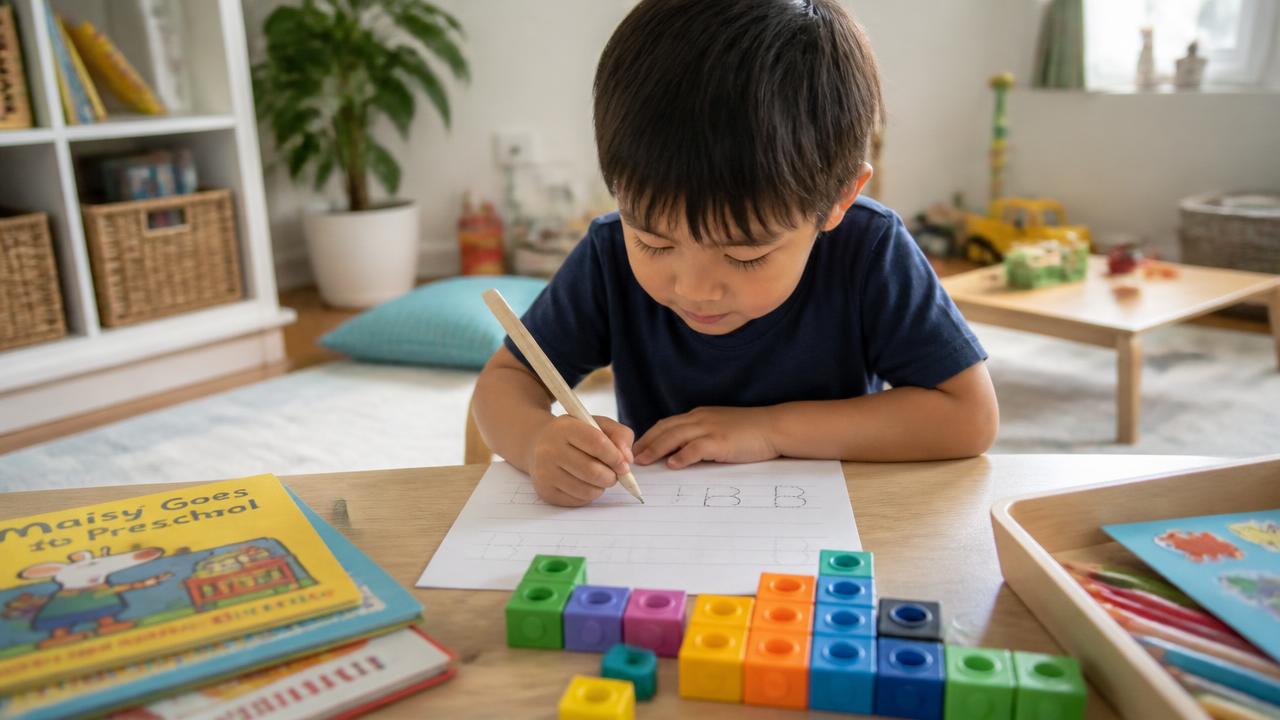
If you are arguing with a preschooler over tracing the letter B, put the workbook away. Go outside.
Read them a book before bed instead. That is honestly the best preparation you can give them. Point out the letters on street signs when you are driving around Trabuco Canyon. Count the apples when you are putting them in the cart at the grocery store. Make it natural. The more you force it, the more they will resist.
The fine motor skills piece
One thing parents often miss when researching what to know before kindergarten is hand strength. This sounds minor, but it causes a lot of tears.
Kids today use tablets a lot. Swiping a screen does not build the muscles needed to hold a pencil. When they get to kindergarten and have to color or write for twenty minutes, their hands physically ache. That makes them frustrated. It makes them hate writing before they even learn how to spell.
You can help them at home without a tutor. Have them play with Play-Doh. Let them use child-safe scissors to cut up old magazines. Peeling stickers is surprisingly good for finger strength. Building with small Legos works too.
Here are a few other physical things they should practice before day one:
- Opening their own Tupperware and water bottles.
- Putting on and taking off their own jacket.
- Using a glue stick without destroying it.
Finding the right balance
Every kid blooms on a different schedule. I have seen it a thousand times since I started this business in 2009. Some walk into kindergarten reading simple signs and counting to fifty. Others do not know all their alphabet letters until December.
Teachers expect a wide range on day one. They are trained to handle it. They know how to differentiate instruction for the kid who is already reading and the kid who is just figuring out how to hold a book right-side up.
Your job as a parent is just to make sure they are socially ready and not terrified of the classroom. You want them to be able to share, take turns, and ask for help when they need it.
If we hit winter break and your child is truly struggling to blend sounds or remember numbers, then we can talk. We charge a flat hourly rate with no contract, so you are not locked into a massive, months-long program. You can just give us a call for a quote. We can do a few weeks of gentle practice to get them up to speed and feeling good about themselves again.
Until then, read to them, let them play, and make sure they can open that lunchbox. If you do think your child is falling behind once school starts and the worksheets come home, you can contact us to figure out a plan.
Want to talk it through?
I answer every inquiry personally. Call (949) 388-3222 or book a free consultation — no contract, no enrollment fee.
Request Free Consultation